
- Get link
- X
- Other Apps
"The Ultimate 2026 Guide to Backyard Micro-Homesteading: Turn Your Small Yard into a Productive Oasis"
The Ultimate 2026 Guide to Backyard Micro-Homesteading: Turn Your Small Yard into a Productive Oasis
Welcome to your ultimate guide for transforming a small backyard into a thriving micro-homestead. In 2026, urban and suburban living spaces may be compact, but with creativity and proper planning, your small yard can become a productive oasis filled with fresh produce, ornamental plants, and sustainable living features.
1. Understanding Micro-Homesteading
Micro-homesteading is about maximizing your available outdoor space to grow food, raise small livestock, and create a sustainable environment. Unlike large rural farms, micro-homesteads thrive on careful planning, vertical gardening, and multi-purpose designs.
Key benefits include:
- Fresh, homegrown produce
- Reduced grocery costs
- Environmental sustainability
- Therapeutic and aesthetic benefits
2. Planning Your Backyard Layout
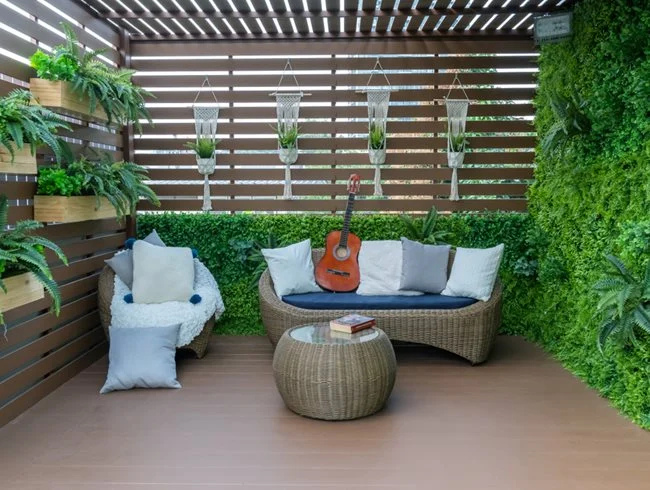
Before planting, evaluate your space. Consider sunlight, soil quality, water access, and potential for vertical structures. Use the following planning steps:
- Measure your yard: Know the square footage and sunlight exposure.
- Define zones: Allocate spaces for vegetable beds, herbs, flowers, compost, and relaxation areas.
- Soil preparation: Test pH levels, amend soil with compost or organic fertilizers, and ensure proper drainage.
- Watering system: Install drip irrigation or rain barrels to conserve water efficiently.
3. Choosing the Right Plants
Maximize productivity by selecting plants that thrive in your climate and space. Consider:
- Vegetables: Tomatoes, peppers, kale, lettuce, and radishes.
- Herbs: Basil, thyme, oregano, mint, and rosemary.
- Companion planting: Combine plants to improve growth and reduce pests.
- Perennials: Fruit bushes or dwarf fruit trees for long-term yield.

4. Implementing Vertical and Container Gardening
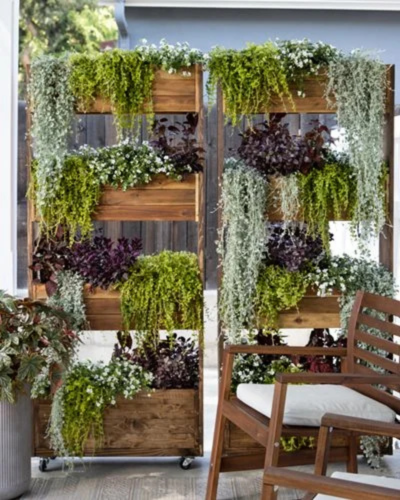
Space-saving techniques like vertical gardening and container planting are essential for small yards. Ideas include:
- Vertical trellises for climbing plants like beans and cucumbers
- Hanging baskets for herbs and strawberries
- Stacked planters to create layered gardens
- Repurposed containers like barrels, crates, and pots
These methods increase productivity while keeping your backyard organized and visually appealing.
5. Composting and Soil Enrichment
Healthy soil is the foundation of a productive backyard. Start composting kitchen scraps and yard waste to enrich your soil naturally:
- Collect vegetable peels, coffee grounds, eggshells
- Avoid meat, dairy, and oily foods
- Maintain balance of green (nitrogen) and brown (carbon) materials
- Turn compost regularly to accelerate decomposition
Use the finished compost to improve plant growth, retain moisture, and reduce the need for chemical fertilizers.
6. Water Conservation and Irrigation
Efficient watering ensures plants thrive and reduces waste. Techniques include:
- Drip irrigation systems for precise watering
- Rainwater harvesting with barrels or tanks
- Mulching around plants to retain moisture
- Watering early morning or late evening to reduce evaporation
7. Incorporating Small Livestock
If permitted, small livestock like chickens, quail, or bees can complement your micro-homestead:
- Chickens provide eggs and pest control
- Quail require less space but also lay eggs
- Bees help with pollination and honey production
- Ensure adequate shelter, fencing, and safety from predators
8. Seasonal Planning and Crop Rotation
Rotate crops and plan seasonally to maintain soil health and maximize yield:
- Group plants by nutrient needs
- Alternate leafy greens, root crops, and legumes
- Plan for succession planting to have continuous harvests
- Keep a planting calendar to track growth and harvest times
9. DIY Backyard Projects and Enhancements
Enhance both productivity and aesthetics with simple DIY projects:
- Build raised beds using recycled wood
- Create garden pathways with stones or mulch
- Install birdhouses and pollinator-friendly plants
- Decorate with outdoor lighting for ambiance
For backyard entertainment and creative projects, consider items like this Home Alone LEGO Set for family fun and DIY outdoor creativity.
10. Maintaining Your Micro-Homestead
Consistency is key to a thriving backyard. Essential maintenance tasks include:
- Regular weeding and pruning
- Monitoring for pests and diseases
- Seasonal soil amendments
- Harvesting at the right time for optimal yield
11. Enjoying Your Backyard Oasis
Once your micro-homestead is thriving, enjoy the fruits of your labor. Host small gatherings, relax among your plants, and share your produce with friends and neighbors. Your small yard can provide beauty, food, and a sustainable lifestyle that’s rewarding every day.
By following this comprehensive 2026 guide, you can transform any small backyard into a productive, sustainable, and enjoyable micro-homestead oasis.
1. Understanding Micro-Homesteading
Micro-homesteading is a lifestyle that blends the joy of gardening, self-sufficiency, and sustainability, tailored for small urban or suburban yards. Unlike traditional large-scale homesteads, micro-homesteads focus on maximizing limited space while producing fresh food, supporting biodiversity, and creating an aesthetically pleasing outdoor environment.
Why Micro-Homesteading Matters in 2026
With urban spaces shrinking and people seeking greener, more sustainable lifestyles, micro-homesteading has become an essential trend. Benefits include:
- Food Security: Grow your own vegetables, herbs, and fruits for a consistent supply of fresh produce.
- Environmental Impact: Reduce your carbon footprint by cutting down on store-bought produce and packaging waste.
- Health and Wellbeing: Gardening promotes physical activity, reduces stress, and encourages mindful living.
- Financial Savings: Reduce grocery bills by harvesting your own fresh ingredients.
- Community Engagement: Share produce or tips with neighbors, encouraging a culture of sustainability.
Micro-Homesteading vs. Traditional Gardening
While traditional gardening often requires large spaces and extensive resources, micro-homesteading thrives on smart design, vertical planting, container gardens, and careful crop rotation. Even a small backyard of 100–200 square feet can yield a significant amount of fresh produce if planned correctly.
Tip: Start small and expand gradually. Your first micro-homestead may consist of a few raised beds and a herb corner. Once you master soil management, watering, and plant selection, you can scale up your productivity efficiently.
2. Planning Your Backyard Layout
Effective planning is the backbone of a successful micro-homestead. A well-thought-out layout maximizes productivity while maintaining beauty and functionality. Follow these steps:
Step 1: Evaluate Your Space
Measure your yard accurately, noting dimensions, sunlight exposure, existing plants, and obstacles. Create a simple sketch on paper or use digital tools like SketchUp to visualize your design. Understanding your yard’s microclimates helps you decide which plants grow best in which areas.
Step 2: Define Zones
Divide your backyard into functional zones:
- Vegetable Beds: For annual crops and high-yield vegetables.
- Herb Garden: Close to your kitchen for easy access.
- Flower Beds: Support pollinators and enhance aesthetics.
- Compost and Soil Area: For creating rich, fertile soil.
- Relaxation/Patio Zone: Integrate seating and pathways for leisure.
Step 3: Prepare the Soil
Soil health determines the success of your garden. Test soil pH (ideal range for most plants: 6.0–7.0) and texture. Amend with:
- Organic compost for nutrient enrichment
- Mulch to retain moisture and regulate temperature
- Natural fertilizers like worm castings or bone meal
Step 4: Plan Water Access
Ensure plants are close to water sources. Consider:
- Installing drip irrigation for efficiency
- Using rain barrels to collect and reuse rainwater
- Grouping plants with similar water needs together
Pro Tip: Use modular layouts that allow flexibility. Raised beds or container gardens can be moved seasonally or rotated for optimal sunlight exposure.
3. Choosing the Right Plants
Choosing plants is critical for a thriving backyard micro-homestead. Focus on high-yield, easy-to-grow, and space-efficient varieties. Consider climate, soil, and your personal preferences.
Vegetables
Best options for small spaces include:
- Tomatoes: Compact or determinate varieties for container growing.
- Lettuce & Spinach: Fast-growing, ideal for successive planting.
- Peppers: Require minimal space and give high yields.
- Root Vegetables: Carrots, radishes, and beets for deep soil beds or containers.
Herbs
Herbs are space-efficient and easy to grow:
- Basil, thyme, oregano, rosemary
- Mint (contain in pots to prevent spreading)
- Parsley and cilantro for continuous harvesting
Companion Planting
Combine plants to maximize growth, deter pests, and improve flavor:
- Tomatoes with basil to enhance flavor and repel insects
- Carrots with onions to reduce pest infestation
- Beans with corn for natural support and nitrogen fixation
Perennials & Fruit Plants
Adding perennials like dwarf fruit trees, berries, or asparagus ensures long-term harvests:
- Dwarf apple, pear, or peach trees
- Strawberries and blueberries in containers or raised beds
- Rhubarb or asparagus for multi-year yield
Tip: Start with easy-to-grow plants to build confidence. Once successful, experiment with heirloom varieties, exotic vegetables, and specialty herbs to diversify your micro-homestead.
4. Implementing Vertical and Container Gardening
Space is limited in small yards, so vertical gardening and container gardening are essential strategies. These techniques increase yield per square foot and keep your backyard organized.
Vertical Gardening Techniques
- Trellises: Perfect for climbing plants like beans, cucumbers, peas, and even vining tomatoes.
- Wall-mounted planters: Utilize fences, walls, or balconies for herbs, lettuce, or strawberries.
- Pallet Gardens: Repurpose old pallets for layered planting of herbs or small vegetables.
- Stacked Containers: Stack pots or raised beds to create multi-tiered growing spaces.
Container Gardening
Containers are flexible and allow for controlled soil and moisture:
- Choose containers with good drainage
- Use lightweight soil mixes for easier handling
- Rotate containers seasonally for sunlight optimization
- Consider self-watering pots for busy gardeners
Tip: Combine vertical and container gardening for maximum productivity. For example, grow tomatoes in tall pots near a trellis for support, and use hanging baskets for strawberries above.
5. Composting and Soil Enrichment
Healthy soil leads to healthy plants. Composting turns kitchen and garden waste into nutrient-rich soil that improves plant growth, retains moisture, and reduces dependency on chemical fertilizers.
Starting Your Compost
- Collect kitchen scraps like vegetable peels, fruit skins, coffee grounds, and eggshells.
- Include garden waste like leaves, grass clippings, and small twigs.
- Avoid meat, dairy, oily foods, and diseased plants.
- Maintain a balance: approximately 2 parts brown (carbon) to 1 part green (nitrogen).
Composting Techniques
- Bin Composting: Use a dedicated compost bin for compact and odor-free composting.
- Heap Composting: Simple piles that can be turned regularly for faster decomposition.
- Vermicomposting: Use worms to create highly nutritious compost, perfect for vegetables and herbs.
Tip: Enrich your soil gradually. Mix compost into raised beds and containers every few weeks for consistent nutrient supply.
6. Water Conservation and Irrigation
Efficient watering ensures plants thrive while conserving water. Here are some proven methods:
- Drip Irrigation: Provides water directly to the root zone, reducing evaporation and disease.
- Rainwater Harvesting: Use barrels, tanks, or gutter systems to collect rainwater for irrigation.
- Mulching: Apply straw, wood chips, or leaves around plants to retain soil moisture.
- Time Your Watering: Water early in the morning or late evening to minimize evaporation.
- Grouping Plants: Cluster plants with similar water requirements together for efficient irrigation.
Pro Tip: Install a simple rain gauge to track rainfall and adjust watering schedules. This reduces overwatering and promotes strong plant growth.
7. Incorporating Small Livestock
Adding small livestock can enhance your micro-homestead by providing food, natural pest control, and pollination. Always check local regulations before keeping animals.
- Chickens: Provide fresh eggs and help control insects. Use compact coops for small yards.
- Quail: Ideal for small spaces, lay eggs frequently, and require minimal care.
- Bees: Pollinate plants and produce honey. Ensure hives are safe for neighbors and pets.
- Rabbits: Can provide fertilizer, meat, and fiber. Keep in secure hutches.
Tip: Introduce animals gradually. Start with chickens or quail and expand as you gain experience. Ensure proper shelter, fencing, and hygiene to maintain a healthy backyard ecosystem.
8. Seasonal Planning and Crop Rotation
Planning your garden seasonally maximizes yield and maintains soil fertility. Crop rotation reduces pests and nutrient depletion.
- Group plants by nutrient needs (leafy greens, root vegetables, legumes)
- Alternate crops each season to replenish soil nutrients
- Succession planting ensures continuous harvest
- Keep a detailed calendar for sowing, transplanting, and harvesting
Example: Rotate beans (nitrogen-fixing) with leafy greens to naturally improve soil nitrogen levels. Plant fast-growing crops between slow growers to maximize space usage.
9. DIY Backyard Projects and Enhancements
Enhancing your backyard with DIY projects improves both productivity and aesthetics.
- Build raised beds from recycled wood or pallets
- Create garden pathways with mulch, gravel, or stone
- Install vertical planters or hanging baskets
- Add birdhouses, bat boxes, and pollinator-friendly flowers
- Decorate with outdoor lighting, benches, or pergolas
- Family-friendly projects like LEGO-inspired garden décor: Home Alone LEGO Set
Tip: Combine function and fun. A small play corner, decorative plants, and productive beds can coexist beautifully.
10. Maintaining Your Micro-Homestead
Consistent maintenance ensures your backyard remains productive year-round.
- Regular weeding to reduce competition for nutrients
- Pruning plants to encourage healthy growth and fruiting
- Monitoring for pests and diseases using organic solutions
- Seasonal soil amendments with compost or organic fertilizers
- Harvesting at optimal times for taste and nutrition
Tip: Keep a garden journal to track plant performance, pest issues, and yield. Over time, this becomes an invaluable tool for improving productivity.
11. Enjoying Your Backyard Oasis
Once your micro-homestead is thriving, it becomes more than a garden – it’s a personal retreat. Enjoy:
- Fresh produce and herbs daily
- Outdoor relaxation among plants
- Hosting small gatherings or garden workshops
- Sharing harvests with neighbors, fostering community
- Experimenting with new crops, DIY projects, or seasonal decorations
Pro Tip: Integrate seating areas, shade, and water features to create a serene environment. Your backyard becomes both a productive space and a personal sanctuary.
By following these steps, planning carefully, and implementing smart gardening techniques, you can transform any small yard into a productive, sustainable, and beautiful micro-homestead oasis in 2026 and beyond.
The Ultimate 2026 Guide to Backyard Micro-Homesteading: Turn Your Small Yard into a Productive Oasis
Welcome to your ultimate guide for transforming a small backyard into a thriving micro-homestead. In 2026, urban and suburban living spaces may be compact, but with creativity and proper planning, your small yard can become a productive oasis filled with fresh produce, ornamental plants, and sustainable living features.
1. Understanding Micro-Homesteading
Micro-homesteading is a lifestyle that blends the joy of gardening, self-sufficiency, and sustainability, tailored for small urban or suburban yards. Unlike traditional large-scale homesteads, micro-homesteads focus on maximizing limited space while producing fresh food, supporting biodiversity, and creating an aesthetically pleasing outdoor environment.
Why Micro-Homesteading Matters in 2026
With urban spaces shrinking and people seeking greener, more sustainable lifestyles, micro-homesteading has become an essential trend. Benefits include:
- Food Security: Grow your own vegetables, herbs, and fruits for a consistent supply of fresh produce.
- Environmental Impact: Reduce your carbon footprint by cutting down on store-bought produce and packaging waste.
- Health and Wellbeing: Gardening promotes physical activity, reduces stress, and encourages mindful living.
- Financial Savings: Reduce grocery bills by harvesting your own fresh ingredients.
- Community Engagement: Share produce or tips with neighbors, encouraging a culture of sustainability.
Micro-Homesteading vs. Traditional Gardening
While traditional gardening often requires large spaces and extensive resources, micro-homesteading thrives on smart design, vertical planting, container gardens, and careful crop rotation. Even a small backyard of 100–200 square feet can yield a significant amount of fresh produce if planned correctly.
Tip: Start small and expand gradually. Your first micro-homestead may consist of a few raised beds and a herb corner. Once you master soil management, watering, and plant selection, you can scale up your productivity efficiently.
2. Planning Your Backyard Layout
Effective planning is the backbone of a successful micro-homestead. A well-thought-out layout maximizes productivity while maintaining beauty and functionality. Follow these steps:
Step 1: Evaluate Your Space
Measure your yard accurately, noting dimensions, sunlight exposure, existing plants, and obstacles. Create a simple sketch on paper or use digital tools like SketchUp to visualize your design. Understanding your yard’s microclimates helps you decide which plants grow best in which areas.
Step 2: Define Zones
Divide your backyard into functional zones:
- Vegetable Beds: For annual crops and high-yield vegetables.
- Herb Garden: Close to your kitchen for easy access.
- Flower Beds: Support pollinators and enhance aesthetics.
- Compost and Soil Area: For creating rich, fertile soil.
- Relaxation/Patio Zone: Integrate seating and pathways for leisure.
Step 3: Prepare the Soil
Soil health determines the success of your garden. Test soil pH (ideal range for most plants: 6.0–7.0) and texture. Amend with:
- Organic compost for nutrient enrichment
- Mulch to retain moisture and regulate temperature
- Natural fertilizers like worm castings or bone meal
Step 4: Plan Water Access
Ensure plants are close to water sources. Consider:
- Installing drip irrigation for efficiency
- Using rain barrels to collect and reuse rainwater
- Grouping plants with similar water needs together
Pro Tip: Use modular layouts that allow flexibility. Raised beds or container gardens can be moved seasonally or rotated for optimal sunlight exposure.
3. Choosing the Right Plants
Choosing plants is critical for a thriving backyard micro-homestead. Focus on high-yield, easy-to-grow, and space-efficient varieties. Consider climate, soil, and your personal preferences.
Vegetables
- Tomatoes: Compact or determinate varieties for container growing.
- Lettuce & Spinach: Fast-growing, ideal for successive planting.
- Peppers: Require minimal space and give high yields.
- Root Vegetables: Carrots, radishes, and beets for deep soil beds or containers.
Herbs
- Basil, thyme, oregano, rosemary
- Mint (contain in pots to prevent spreading)
- Parsley and cilantro for continuous harvesting
Companion Planting
- Tomatoes with basil to enhance flavor and repel insects
- Carrots with onions to reduce pest infestation
- Beans with corn for natural support and nitrogen fixation
Perennials & Fruit Plants
- Dwarf apple, pear, or peach trees
- Strawberries and blueberries in containers or raised beds
- Rhubarb or asparagus for multi-year yield
Tip: Start with easy-to-grow plants to build confidence. Once successful, experiment with heirloom varieties, exotic vegetables, and specialty herbs to diversify your micro-homestead.
4. Implementing Vertical and Container Gardening
Maximize small space using vertical structures and containers. Vertical trellises, wall-mounted planters, hanging baskets, and stacked containers increase productivity efficiently. Containers allow controlled soil and water, perfect for herbs, tomatoes, and strawberries.
5. Composting and Soil Enrichment
Use composting methods such as bin composting, heap composting, or vermicomposting to enrich soil naturally. Collect kitchen scraps and garden waste, maintain balance of greens and browns, and turn compost regularly. Enriched soil ensures healthy plants and abundant yields.
6. Water Conservation and Irrigation
Drip irrigation, rainwater harvesting, mulching, and smart watering times help conserve water. Group plants by water needs for efficiency. Monitor soil moisture and rainfall to prevent overwatering and ensure healthy growth.
7. Incorporating Small Livestock
Chickens, quail, bees, or rabbits can provide eggs, honey, or fertilizer. Ensure proper shelter, fencing, and hygiene. Start small, gradually expand, and integrate animals without compromising backyard space.
8. Seasonal Planning and Crop Rotation
Rotate crops and plan seasons to maintain soil health. Group plants by nutrient needs, plan succession planting, and keep a calendar for sowing, transplanting, and harvesting. Example: Rotate beans with leafy greens for nitrogen replenishment.
9. DIY Backyard Projects and Enhancements
Build raised beds, pathways, vertical planters, birdhouses, and decorative elements. Integrate family-friendly projects like LEGO-inspired garden décor: Home Alone LEGO Set.
10. Maintaining Your Micro-Homestead
Regular weeding, pruning, monitoring pests, soil amendments, and harvesting ensures continuous productivity. Keeping a garden journal helps track performance and plan improvements.
11. Enjoying Your Backyard Oasis
Relax, harvest fresh produce, host small gatherings, and experiment with new crops or DIY projects. Integrate seating, shade, and water features to create a serene, productive sanctuary.
Comments
Post a Comment