
- Get link
- X
- Other Apps
Human-Centric Home Safety 2026: Protecting Humans, Not Just Walls
A definitive guide to the shift from "Security Systems" to "Life Support Ecosystems."
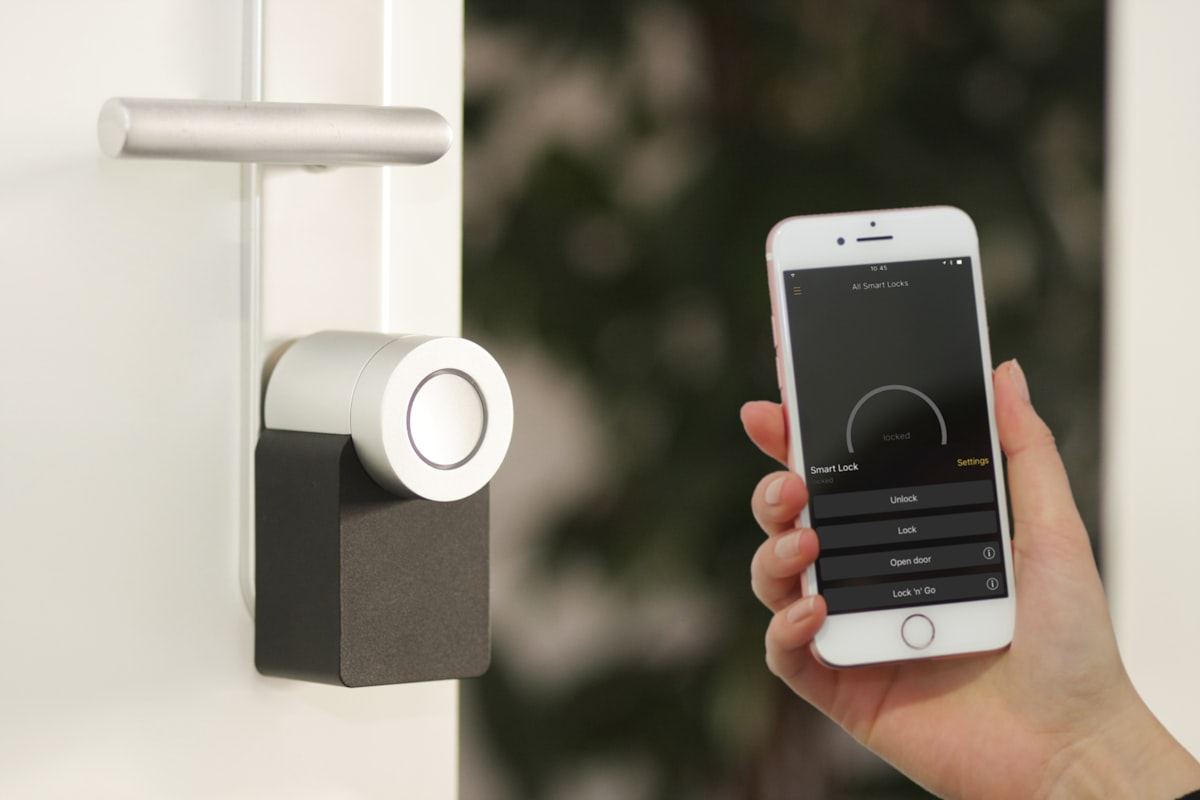
"Imagine a home that doesn't just ring an alarm when someone breaks in, but one that senses your elderly father’s unsteady step and brightens the hallway before he even reaches for the switch. This is the shift from protecting 'structures' to protecting 'souls'."
For decades, we have obsessed over burglar-proof locks and fire-resistant materials. Yet, the most significant threats to our well-being—indoor air toxicity, cognitive stress, and silent falls—often go unmonitored. In 2026, we are finally building homes that act as an extension of our own immune and nervous systems.
The Evolution: Property Safety vs. Human-Centric Safety
What does it mean to be "Human-Centric"? The following table breaks down the critical differences between the old standards and the 2026 reference model:
| Focus Area | Old Standard (Property) | 2026 Standard (Human) |
|---|---|---|
| Fire Safety | Smoke detection (Passive) | Toxicity & Pre-ignition alerts (Active) |
| Health | Basic Ventilation | Cognitive-Optimized Air Quality |
| Monitoring | Intrusion Cameras | Privacy-first Health Radars |
| Elderly Care | Manual SOS buttons | Predictive Fall & Gait Analysis |
Protecting the Most Vulnerable
Critical Insight: According to the CDC, falls are the leading cause of injury-related death among adults aged 65 and older.
Explore CDC Data →
Explore CDC Data →
Human-centric homes eliminate the "fear of falling" by integrating high-friction surfaces and circadian lighting that adapts to aging eyes, reducing disorientation during the night.
AI & Invisible Life Protection

By 2026, AI has moved beyond voice assistants. Modern systems use mmWave Radar to monitor heart rates and breathing patterns across a room without ever needing a camera. This ensures that a medical emergency is detected even if the resident cannot call for help.
Source: IEEE Future Tech →Expert FAQ
Q: Is human-centric safety just for the wealthy?
A: No. Most of these principles—like better lighting and air monitoring—are becoming standard in affordable smart home kits.
Q: How does this impact mental health?
A: By removing the "silent stressors" of the home (noise, bad air, safety anxiety), residents show lower cortisol levels and improved sleep quality.
Comments
Post a Comment