
- Get link
- X
- Other Apps
Bedroom Ideas That Actually Improve Your Sleep
Many people invest in decorating their bedrooms without realizing that their space may be actively sabotaging their sleep. The good news? Small, science-backed changes can dramatically improve your rest, energy, and overall well-being.
In this guide, we’ll explore practical bedroom ideas that actually improve your sleep, backed by research, expert advice, and lifestyle hacks you can implement today.
1. Understand How Your Bedroom Affects Sleep
Your bedroom isn’t just a place to lay your head; it’s an environment that directly influences your sleep quality. Factors like light, sound, temperature, and layout play a crucial role.
- Exposure to blue light from devices can suppress melatonin production.
- Ambient noise can fragment your sleep cycles.
- Room temperature affects the depth of your sleep.
2. Declutter for a Calmer Mind
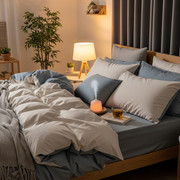
A cluttered bedroom often leads to a cluttered mind. Reducing visual chaos can decrease stress and improve sleep latency.
- Keep surfaces clean and organized.
- Use storage solutions like drawers or baskets.
- Avoid keeping work-related items in your bedroom.
3. Choose Sleep-Friendly Colors
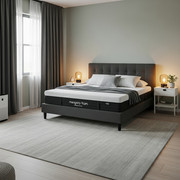
Colors affect mood and relaxation. Certain shades can enhance calmness while others may overstimulate your brain.
- Soft blues and greens: promote relaxation.
- Neutral earth tones: warm, calming, and cozy.
- Avoid bright reds or intense patterns: can raise heart rate and alertness.
4. Optimize Lighting
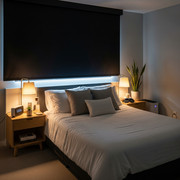
Lighting is one of the most overlooked factors affecting sleep. Both natural and artificial light can enhance or disrupt your circadian rhythm.
- Use blackout curtains to block outside light.
- Dim lights in the evening; consider smart bulbs with warm tones.
- Keep electronic devices away from your nightstand or use night mode.
Sources: Harvard Medical School – Light Exposure & Sleep, Sleep Foundation – Bedroom Environment
5. Control Temperature and Airflow
The ideal bedroom temperature is between 60–67°F (15–19°C) for most people. Proper airflow and fresh air circulation can prevent night sweats and restlessness.
- Use a fan or air conditioner if needed.
- Keep windows slightly open for airflow (if safe).
- Avoid heavy bedding in warm months.
6. Reduce Noise and Improve Acoustics
Even low-level background noise can fragment sleep cycles, reducing deep restorative sleep.
- White noise machines or apps.
- Thick curtains or rugs to dampen external sound.
- Move the bed away from noisy walls or street-facing windows.

7. Choose the Right Bed and Mattress
Your bed is the core of sleep quality. The wrong mattress or pillow can cause poor sleep, pain, or restlessness.
- Medium-firm mattresses often support spinal alignment best.
- Pillows should support your preferred sleep position (side, back, stomach).
- Consider mattress toppers or adjustable beds for personalized comfort.
8. Keep Technology in Check
Electronic devices emit blue light and mental stimulation, making it harder to fall asleep.
- Remove TVs and computers from the bedroom if possible.
- Charge devices outside the bedroom.
- Use “Do Not Disturb” or night modes on devices.
9. Add Relaxing Elements
Incorporate items that reduce stress and promote relaxation:
- Houseplants (like lavender or aloe vera)
- Aromatherapy diffusers with calming scents
- Soft textures like rugs, blankets, and pillows
10. Establish a Sleep Routine
Finally, the best bedroom ideas won’t help without a routine. Sleep hygiene is critical.
- Go to bed and wake up at the same time daily.
- Avoid caffeine and heavy meals before bed.
- Use your bedroom primarily for sleep and intimacy to strengthen mental association.
Conclusion
A well-designed bedroom isn’t just about aesthetics—it’s a powerful tool to improve your sleep, mood, and overall health. Implementing these science-backed ideas can transform your nightly rest and daytime energy.
Remember: the small changes you make today can lead to major improvements in your sleep tomorrow.
Comments
Post a Comment