
- Get link
- X
- Other Apps
The Ultimate Guide to Small Spaces: Smart Ideas to Make the Most of Every Inch
Living in a small space doesn’t mean living without comfort, beauty, or functionality. In fact, with the right mindset and smart design choices, a small home can feel more organized, stylish, and peaceful than a large one. This ultimate guide will show you how to transform even the tiniest space into a functional and elegant home.
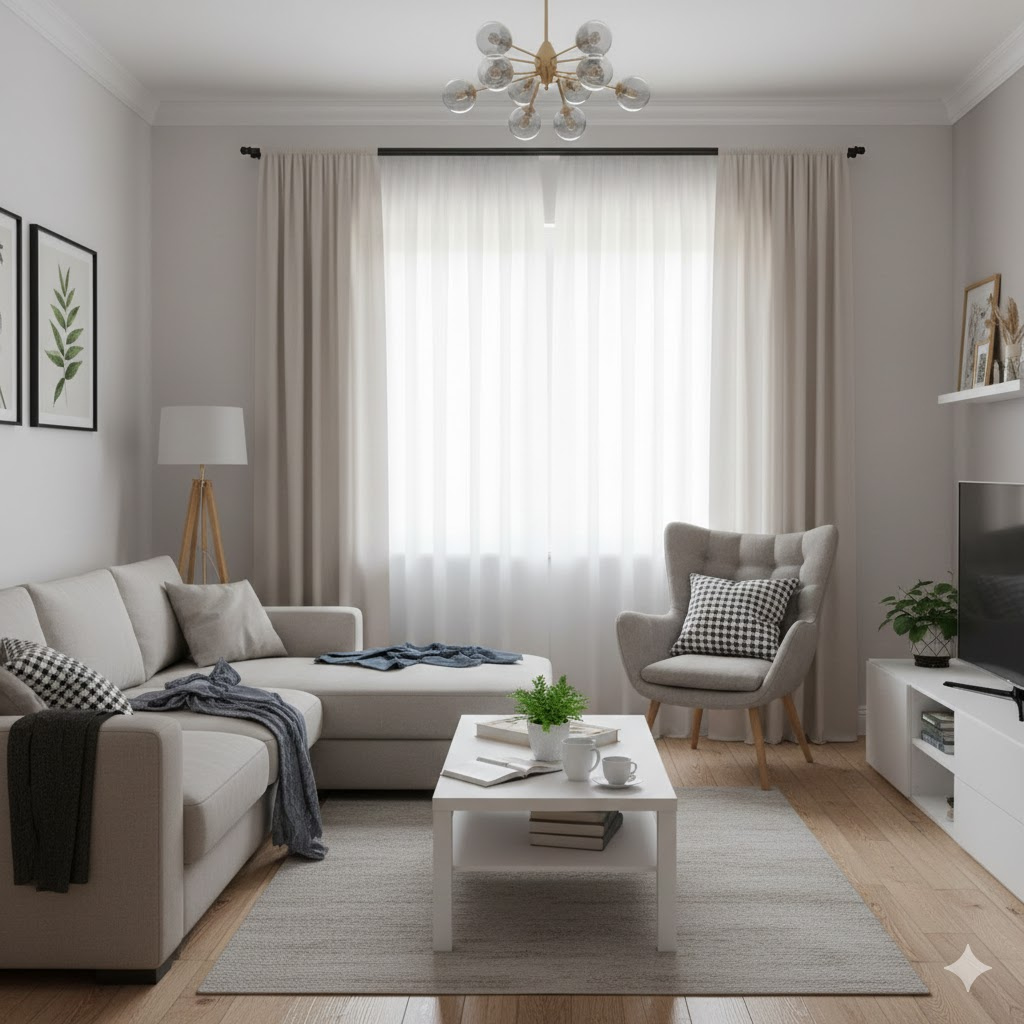
A cozy living room setup showing smart furniture placement for small spaces.
1. A Real Story: How One Small Apartment Changed Everything
When Sarah moved into her 35-square-meter apartment in downtown Chicago, she felt overwhelmed. The living room felt cramped, the kitchen had no storage, and the bedroom barely fit her bed. Every morning started with frustration, and every evening ended with clutter.
Instead of moving out, Sarah decided to redesign her space. She replaced her bulky sofa with a sofa bed, installed floating shelves, used vertical storage in the kitchen, and changed the lighting. Within weeks, her home felt twice as big.
The result? Less stress, better sleep, and a home she was proud of.
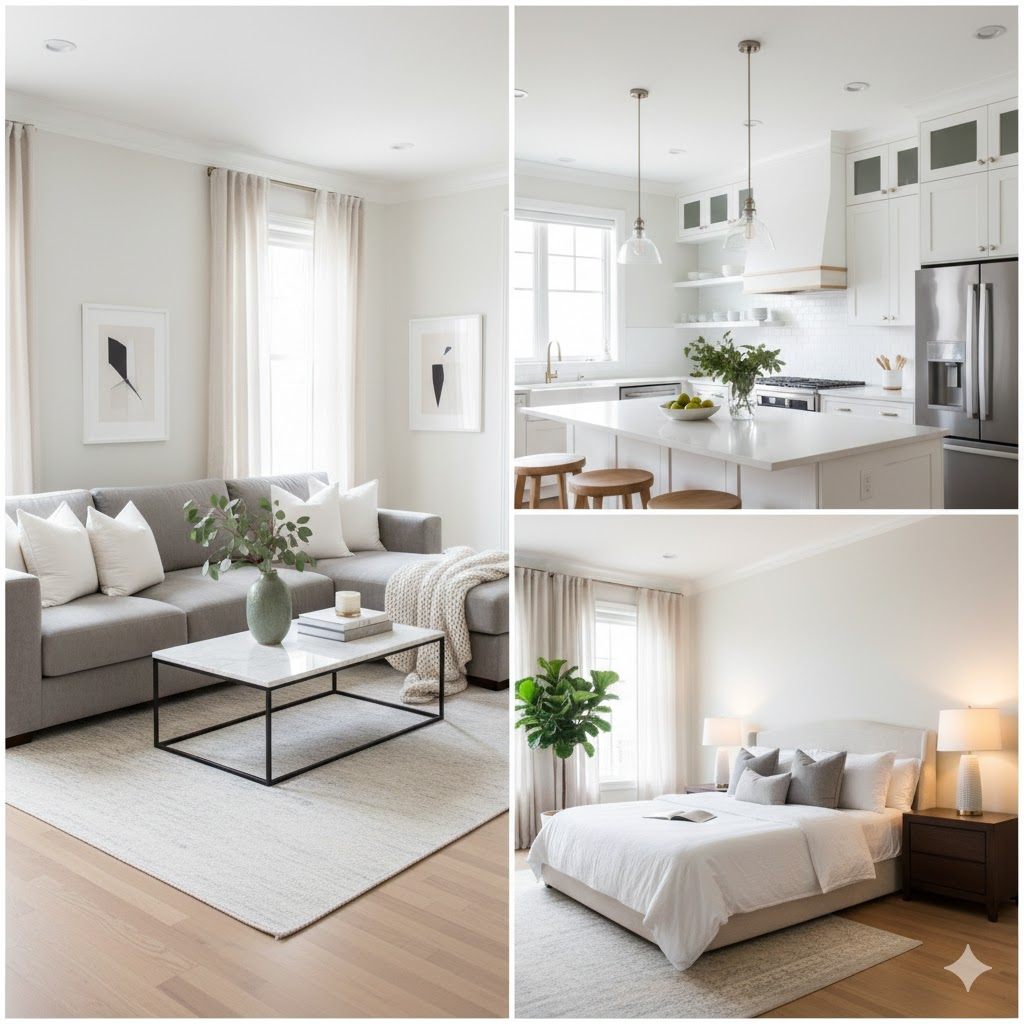
Visual transformation of a small apartment after smart organization.
2. Understanding Small Spaces: Why Layout Matters More Than Size
The biggest mistake people make with small homes is focusing on size instead of layout. A well-organized small apartment can feel more comfortable than a large but poorly designed one.
Key principles of smart small-space design include:
- Using vertical space instead of floor space
- Choosing multi-functional furniture
- Reducing visual clutter
- Using light and color strategically
- Creating clear zones for each activity
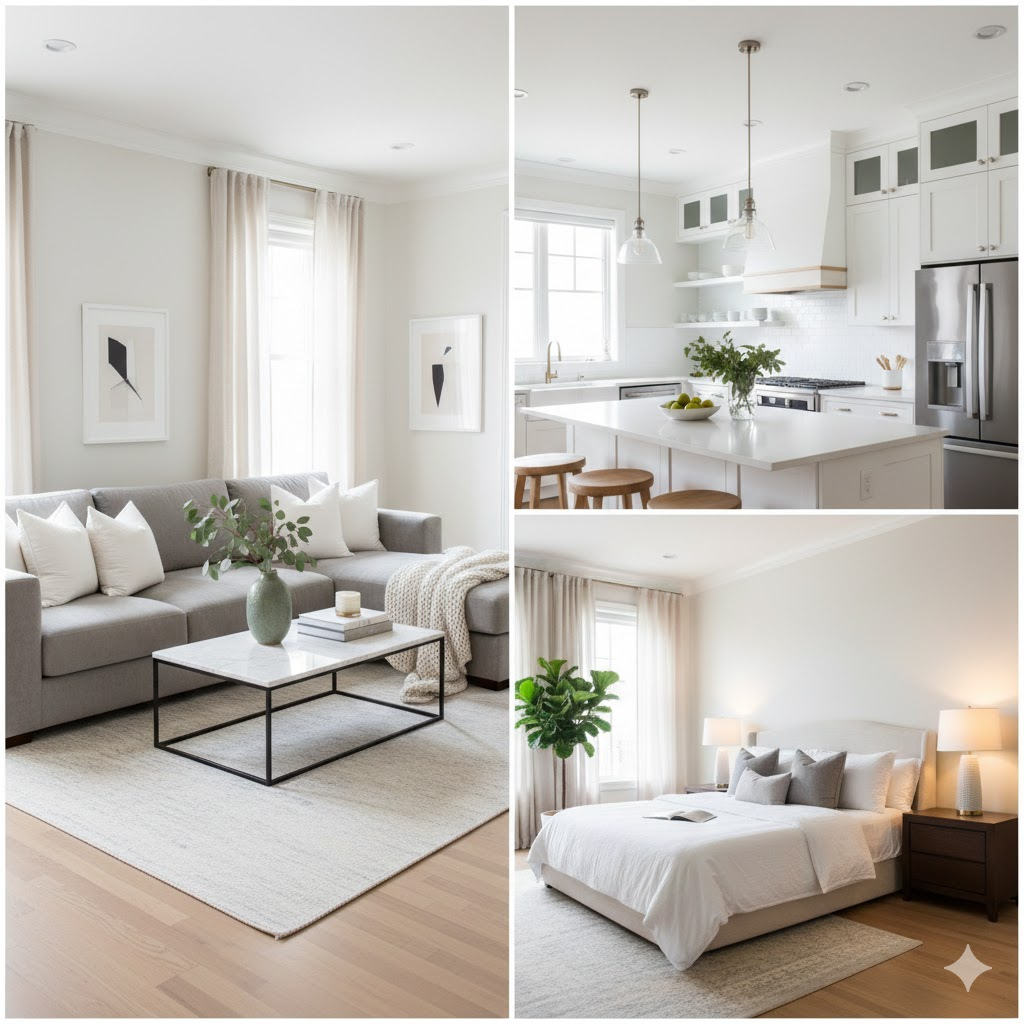
Example of effective layout and vertical storage for small homes.
3. Zoning Your Home: The Secret to Smart Living
Instead of thinking of your home as one small area, divide it into “zones.” This method instantly improves functionality and organization.
🏠 Living Room Zone
The living room is usually the heart of a small home. It often serves as a place to relax, work, and entertain guests.
Best solutions:
- Sofa beds or modular sofas [Check on Amazon]
- Wall-mounted shelves
- Nesting tables
- Hidden storage ottomans
Pro Tip: Choose a sofa with slim arms and raised legs. It creates visual space and makes the room feel lighter.
🍳 Kitchen Zone
Small kitchens require smart vertical thinking.
- Install wall-mounted racks
- Use magnetic knife holders
- Add shelves above doors
- Use pull-out storage
Vertical storage is the most powerful trick for small kitchens.
🚿 Bathroom Zone
Bathrooms are often the smallest spaces but have the biggest impact.
- Over-the-toilet shelves
- Corner racks
- Wall hooks instead of cabinets
- Mirror cabinets for storage
Keep colors light and avoid bulky furniture.
4. Do’s and Don’ts for Small Spaces
✅ Do This
- Use mirrors to reflect light
- Choose light colors
- Keep furniture minimal
- Use multi-purpose items
- Keep floors visible
❌ Don’t Do This
- Don’t overcrowd rooms
- Don’t use dark heavy curtains
- Don’t block natural light
- Don’t use tiny rugs (they make rooms look smaller)
5. Shopping Guide: Smart Products for Small Spaces
Choosing the right products can completely transform your home.
🛒 Recommended Items:
- Drawer organizers [Buy Now]
- Foldable tables [Buy Now]
- Wall-mounted shelves [Buy Now]
- Under-bed storage boxes
- Multi-functional furniture
6. Psychology of Space: How Clutter Affects Your Mind
Studies show that clutter increases stress, reduces focus, and negatively affects mood. A clean and organized space, on the other hand, promotes calmness and productivity.
When your home is organized:
- You feel more relaxed
- You sleep better
- You think more clearly
- You feel more in control
Your environment directly affects your mental health.
7. DIY Ideas: Simple Projects for Small Homes
DIY Wall Shelf
You can build a simple wall shelf using:
- Wood plank
- Metal brackets
- Screws
- Drill
This simple project adds storage without taking floor space.
DIY Storage Box
Use old wooden crates or boxes, paint them, and add wheels. Perfect for under-bed storage.
Conclusion
Small spaces don’t have to feel small. With smart planning, the right furniture, and a clear design strategy, any home can become comfortable, stylish, and functional.
The key is not having more space — it’s using space better.
8. Frequently Asked Questions (FAQ)
Q1: How can I make my small room feel like a hotel suite?
Use light colors, multi-functional furniture, mirrors, and ambient lighting. Keep the floor visible and add elegant decor items that create a sense of luxury without crowding the space.
Q2: What are the best colors for small spaces?
Soft, light colors like whites, creams, pastels, and light grays make rooms feel bigger. Accent colors can be added through cushions, rugs, or art pieces.
Q3: How do I organize a tiny kitchen efficiently?
Use vertical storage, magnetic strips for utensils, pull-out racks, and foldable tables. Maximize wall space and keep countertops clutter-free.
Q4: Are rugs helpful in small rooms?
Yes, but choose rugs that are proportionate to the room size. Avoid tiny rugs; instead, use medium or large rugs to unify the space.
9. Advanced DIY Projects for Small Spaces
DIY Floating Shelves
Materials:
- Wood planks
- Wall brackets
- Screws and drill
- Paint or varnish
Install shelves on empty walls to create storage without taking up floor space. Use decorative baskets on top for style and function.
DIY Storage Ottoman
Materials:
- Wood box or old trunk
- Cushion foam
- Fabric cover
- Stapler or glue
Transform a simple box into a functional ottoman with hidden storage inside.
DIY Pegboard Organizer
Install a pegboard on a kitchen or workspace wall. Hang utensils, pots, or small tools to free up counters and drawers.
10. The Psychology of Space
A cluttered home increases stress and decreases productivity. According to psychology research:
- Visual clutter reduces focus and memory performance
- An organized space promotes calmness and creativity
- Color choices affect mood: light blues and greens increase relaxation, while bright colors energize
- Proper lighting improves mental well-being and perceived space
Creating a clean, organized, and thoughtfully designed environment directly improves your mental health.
11. More Smart Ideas for Each Room
Living Room
- Use modular furniture to adapt for guests or work
- Add mirrors behind the sofa to create depth
- Install wall-mounted lighting to free floor space
- Keep decorative items minimal
Bedroom
- Use under-bed storage boxes
- Install floating nightstands instead of bulky tables
- Choose foldable or Murphy beds if possible
- Use soft, neutral colors for walls and bedding
Kitchen
- Hang pots and pans on the wall
- Use stackable containers
- Install pull-out pantry shelves
- Keep only essential appliances on countertops
Bathroom
- Use over-the-door organizers
- Add corner shelves for toiletries
- Choose clear containers for small items
- Install a mirrored cabinet to double storage
12. Recommended Products and Affiliate Links
- Drawer organizers: Buy on Amazon
- Foldable tables: Buy on Amazon
- Floating shelves: Buy on Amazon
- Multi-functional furniture: Buy on Amazon
- Decorative baskets and storage boxes
Example of DIY storage ideas that maximize space efficiently.
13. Final Tips for Maximum Space Efficiency
- Always measure your space before buying furniture
- Use furniture that serves more than one purpose
- Keep walking paths clear for a spacious feel
- Use light and mirrors strategically to visually enlarge rooms
- Declutter regularly to maintain a peaceful environment
Remember, making the most of a small space isn’t about having less—it’s about smart planning, thoughtful design, and using every inch efficiently.
14. Advanced Space-Saving Techniques
For those who want to push the limits of small-space living, advanced techniques can make a huge difference:
- Lofted beds: Create space underneath for a desk, sofa, or storage.
- Sliding doors: Replace swing doors to save floor space.
- Foldable walls or partitions: Flexible room divisions for privacy or open-plan feel.
- Under-stair storage: Utilize hidden corners for extra storage.
- Multi-level shelving: Stack vertically instead of spreading horizontally.
Lofted bed design maximizes space for living and storage in small apartments.
15. Decor Tips for Style Without Clutter
- Use minimalistic design principles: clean lines, neutral colors, and few decorative items.
- Add greenery: small potted plants add life without taking much space.
- Mirrors create the illusion of depth and light.
- Transparent furniture like acrylic chairs or tables keeps the space open.
- Use uniform color palettes for walls and furniture for visual continuity.
Example of a minimalist living room with plants to make the space feel larger.
16. Maximizing Vertical Space
Vertical storage is the key to making any small home functional:
- High shelves for books or decor
- Hanging racks in the kitchen
- Hooks for bags, coats, or accessories
- Stackable storage bins
- Wall-mounted lighting and sconces
These solutions free up floor space while keeping everything within reach.
17. More DIY Projects for Creative Storage
Hanging Fabric Bins
Create hanging bins with fabric and hooks for lightweight items like toys or laundry. Ideal for children’s rooms.
Over-Door Shoe Organizer
Repurpose an over-door shoe organizer to store cleaning supplies, toiletries, or craft materials.
Rolling Cart Organizer
A rolling cart can be used in the kitchen, bathroom, or office. Easy to move and maximizes corner spaces.
18. Final FAQ Section
Q5: Can I make a small living room look bigger with lighting?
Yes! Use layered lighting: ceiling lights, floor lamps, and wall sconces. Avoid bulky lamps; opt for sleek designs.
Q6: How often should I declutter?
Every month or two. Regular decluttering prevents clutter from building up and keeps your small space functional.
Q7: Are mirrors essential in small spaces?
Not mandatory, but highly recommended. Mirrors reflect light and visually expand the room.
Q8: How to combine style and functionality?
Choose furniture that is both beautiful and practical. Multi-purpose pieces, storage-integrated furniture, and thoughtful decor achieve both goals.
19. Recommended Additional Products
- Stackable bins for kitchen or office: Buy on Amazon
- Floating wall shelves: Buy on Amazon
- Multi-functional coffee table with storage: Buy on Amazon
- Foldable wall-mounted desk: Buy on Amazon
- Decorative baskets for storage
20. Conclusion
Living in a small space can be both practical and stylish. By applying these techniques—smart zoning, vertical storage, multi-functional furniture, DIY projects, and psychological principles—you can transform any small apartment into a comfortable, organized, and visually appealing home.
Remember, the goal is not to have more space, but to make the most of every inch. Creativity, planning, and thoughtful design are your best allies in small-space living.
With the right approach, even the tiniest apartment can feel luxurious, spacious, and stress-free.